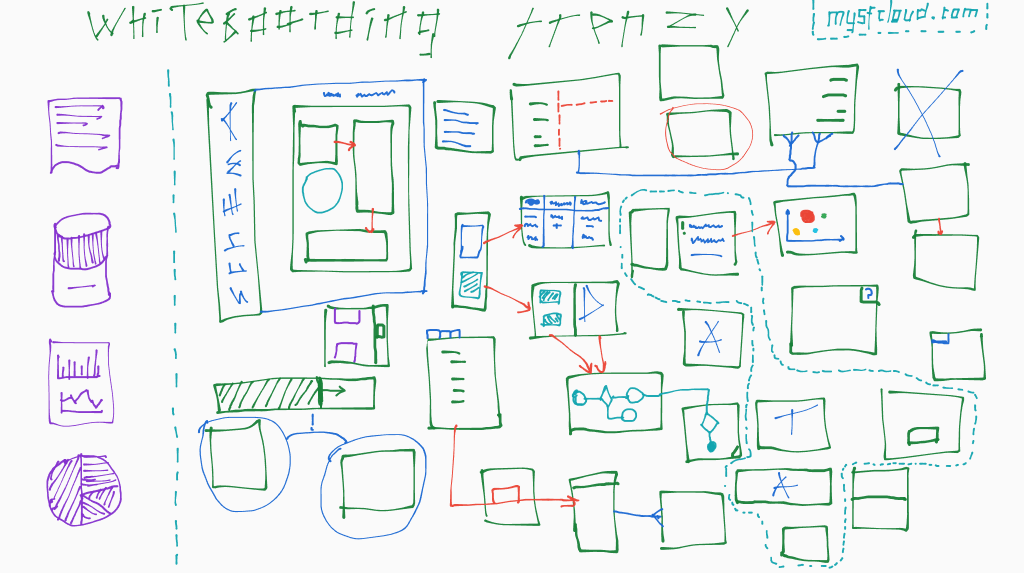
A typical online meeting: cameras off, microphones muted, a lone speaker talking into emptiness, where perhaps live people nod. I propose to shake up such meetings! Let’s reinvent whiteboard drawing in the post-COVID online era.
I don’t like to draw, I don’t know how, and I don’t really want to. It doesn’t captivate me, and I can’t come to terms with the idea of spending time on drawing just to “make it beautiful.”
Perhaps the reason lies in my poor childhood, where for art classes I didn’t buy A3 or A2 sheets but glued together several A4 sheets on cardboard from some boxes, and drew on them. For my efforts, I received mockery from classmates and “C” marks and questions like “what did you bring me?” from the teacher for the non-conventional approach
Maybe it’s because in my first year at the Moscow Aviation Institute, we had to draw with pencils on paper for engineering studies. And then erase with an eraser. And draw again. And again, and again. Actually, it continued throughout the other courses too, but I decided that in the 21st century, I wouldn’t engage in such inefficient work anymore. Against the curriculum, I mastered SolidWorks and other CAD wonders.
Nevertheless, a smooth stroke is as far from me as calligraphic handwriting. However, I bought a graphics tablet anyway.
Whiteboarding
The thing is, I really love simplicity in communication. The phrase “Explain it to me as if I’m five” has become my guiding principle in working with information.
In almost any job, we often exchange information. Our brains, along with those of our colleagues or clients, process information in images. Everyone has different experiences and ways of thinking, so the images we create vary a lot.

Complex information is poorly broken down by an unprepared mind and fails to form a coherent picture, meaning it gets lost in the transmission. Additionally, it can be difficult to admit when you don’t understand something right away. As a result, our conversation partner might nod knowingly (after all, they’re not foolish!), while in their mind, scattered pieces of our thoughts intertwine in unexpected combinations. We only find out about these misunderstandings when it’s too late.
Even if we operate within a shared context, after a discussion, we might leave with different understandings. That’s why it’s so important to capture the overall picture of the topic being discussed. Drawing diagrams is ideal for this purpose, or in consulting terms, whiteboarding.
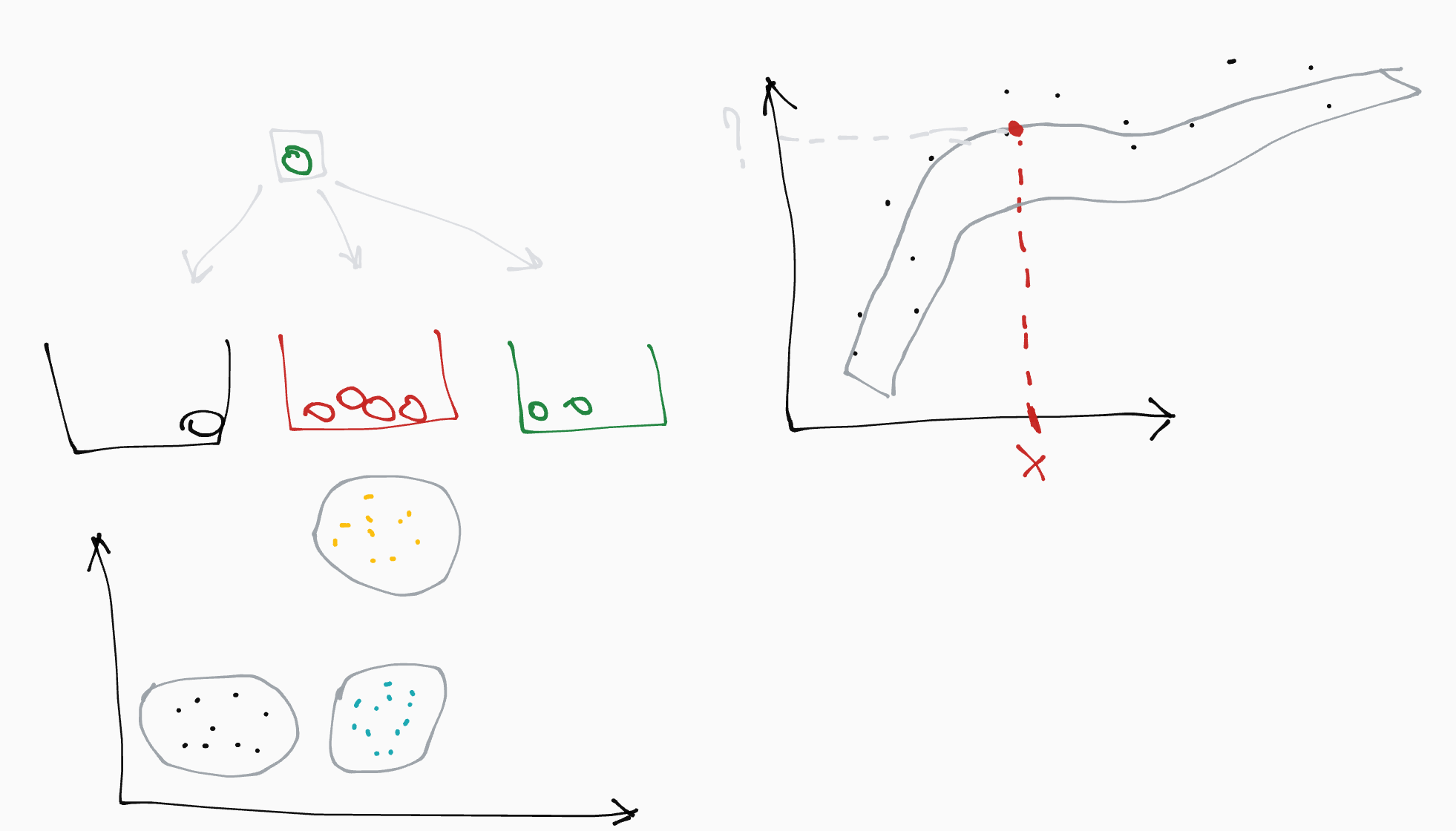
Whiteboarding – it’s visual
It’s better to see once than hear a hundred times – this is exactly the story about agreements during calls, when even explaining with fingers is difficult because with the camera off, fingers aren’t visible.
Whiteboarding – it’s mesmerizing
The process of creating anything captivates the minds of viewers better than the finished product. Think about how many times you’ve scrolled past a beautiful finished picture in your feed, compared to how many times you’ve been captivated by a video of the creation process. It doesn’t matter what exactly: paintings, wooden boxes, forged candle holders, or kilometers-long bridges. Once you start drawing, your listeners now become viewers too, they are intrigued, and they have less time to “count crows” – they’re watching the movement of your cursor, marker, or chalk. Consequently, they’re following the path of your thoughts.
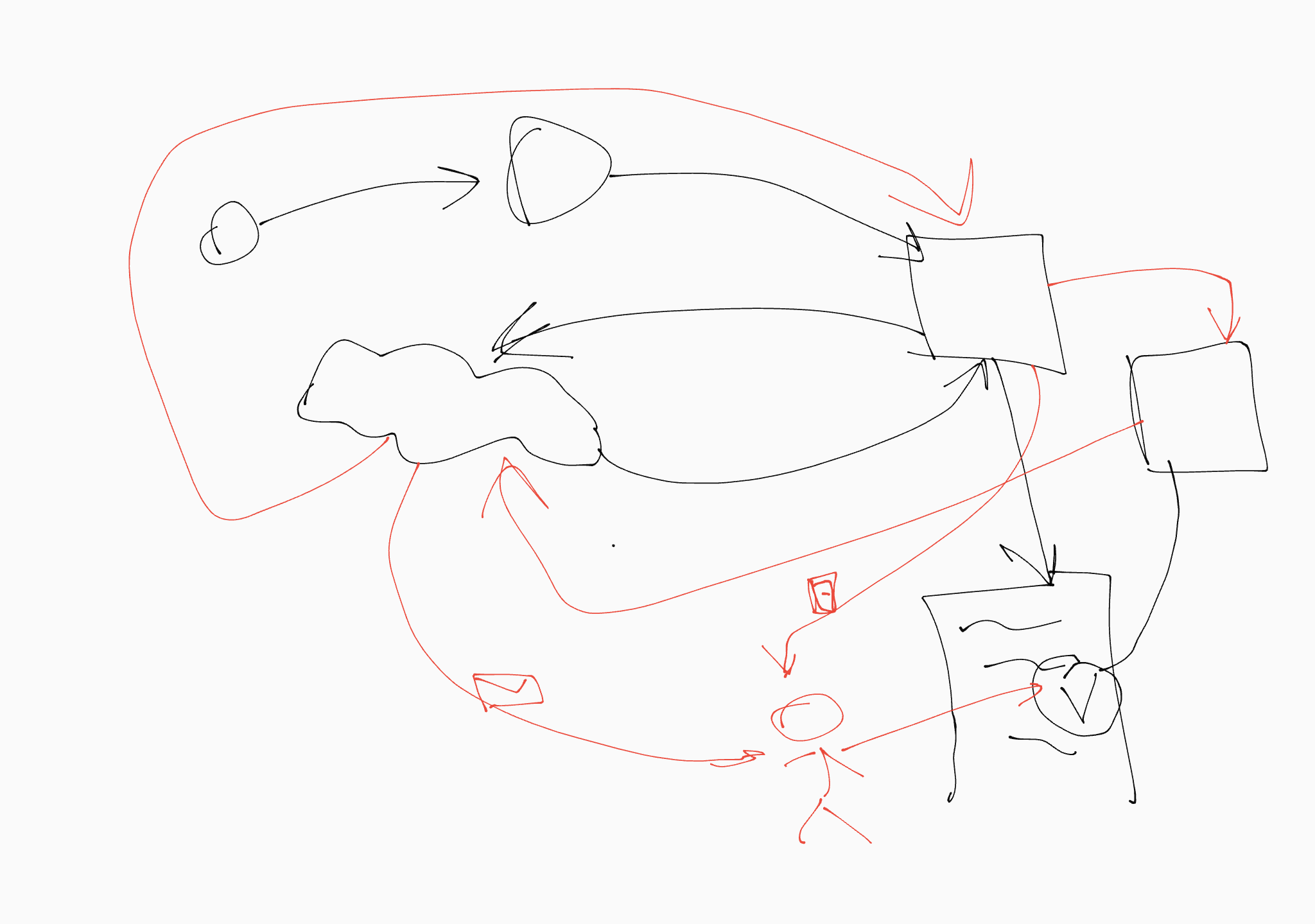
Whiteboarding opens the floodgates of creativity
Pouring ideas from our minds onto “paper” frees up our working memory, making it easier for us to discover new approaches and generate ideas. And not just for us standing at the virtual board, but also for our viewers. By looking at our diagrams, our viewers can build upon our vision, see new possibilities, or identify potential points of tension.
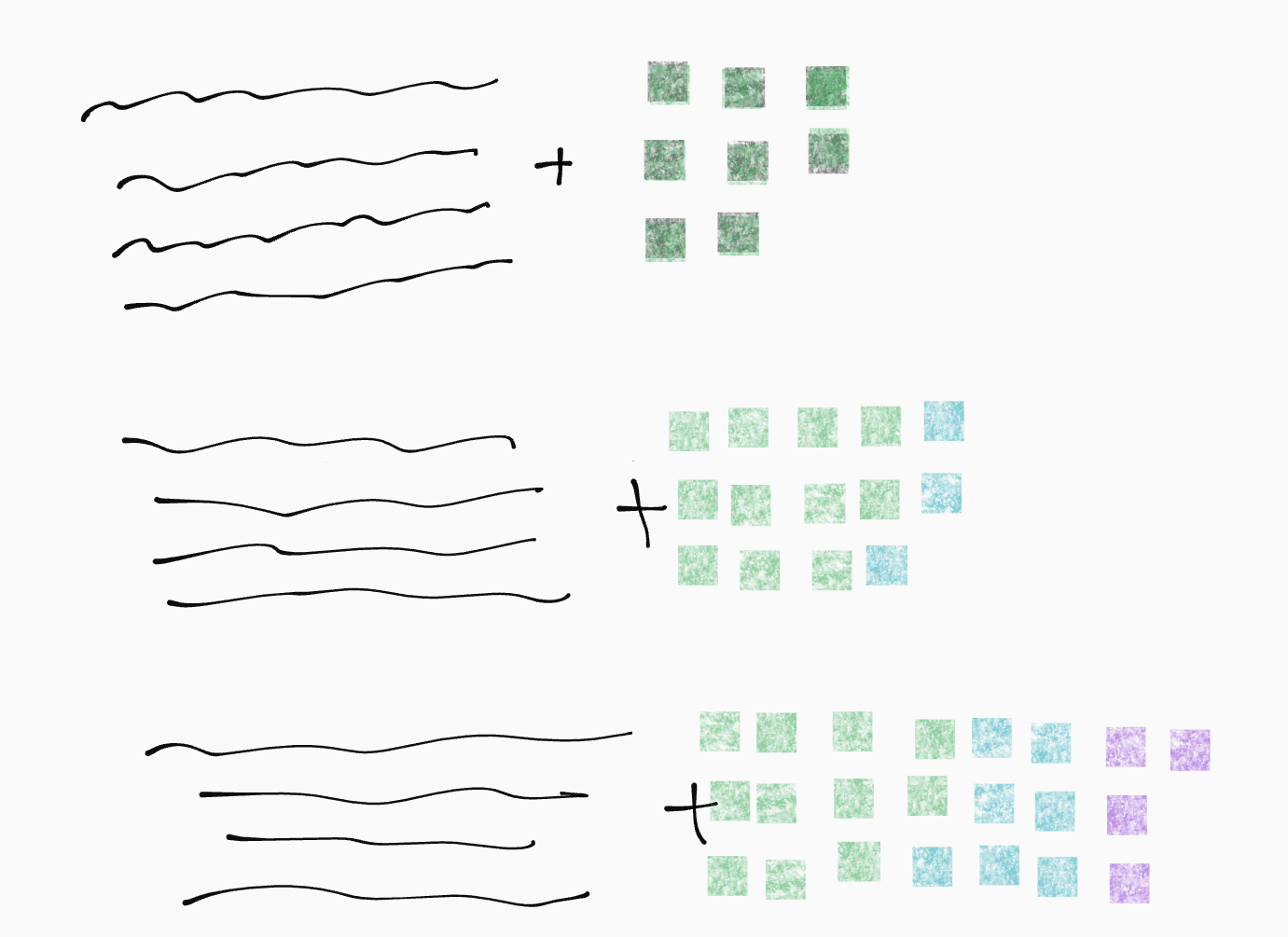
Whiteboarding is an anchor in memory
A visual image created during our session sticks better in memory. You’ll be surprised how many references will be made to your diagram in future discussions and throughout the project:
“How are things going with the integration with our ABC service?”
“You mean that red box from your drawing? It’s done”
Whiteboarding is fun!
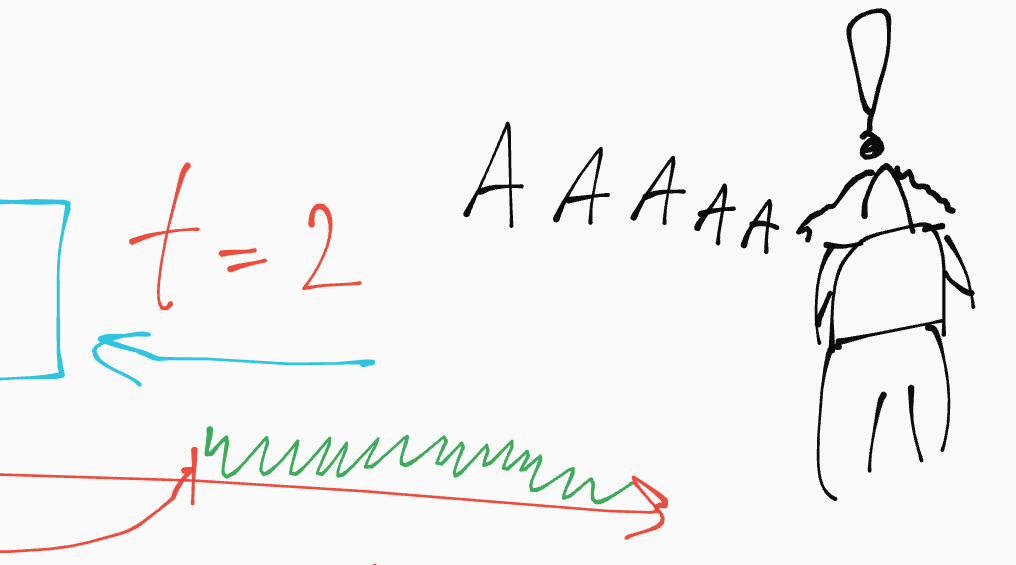
I’ve turned my poor handwriting and imperfect drawings into an opportunity to lighten the mood. People relax when someone else shows their imperfections. Besides, in remote work, people get tired of serious calls that are all business. You can uplift people’s spirits just by drawing something funny.
Whiteboarding is a type of art
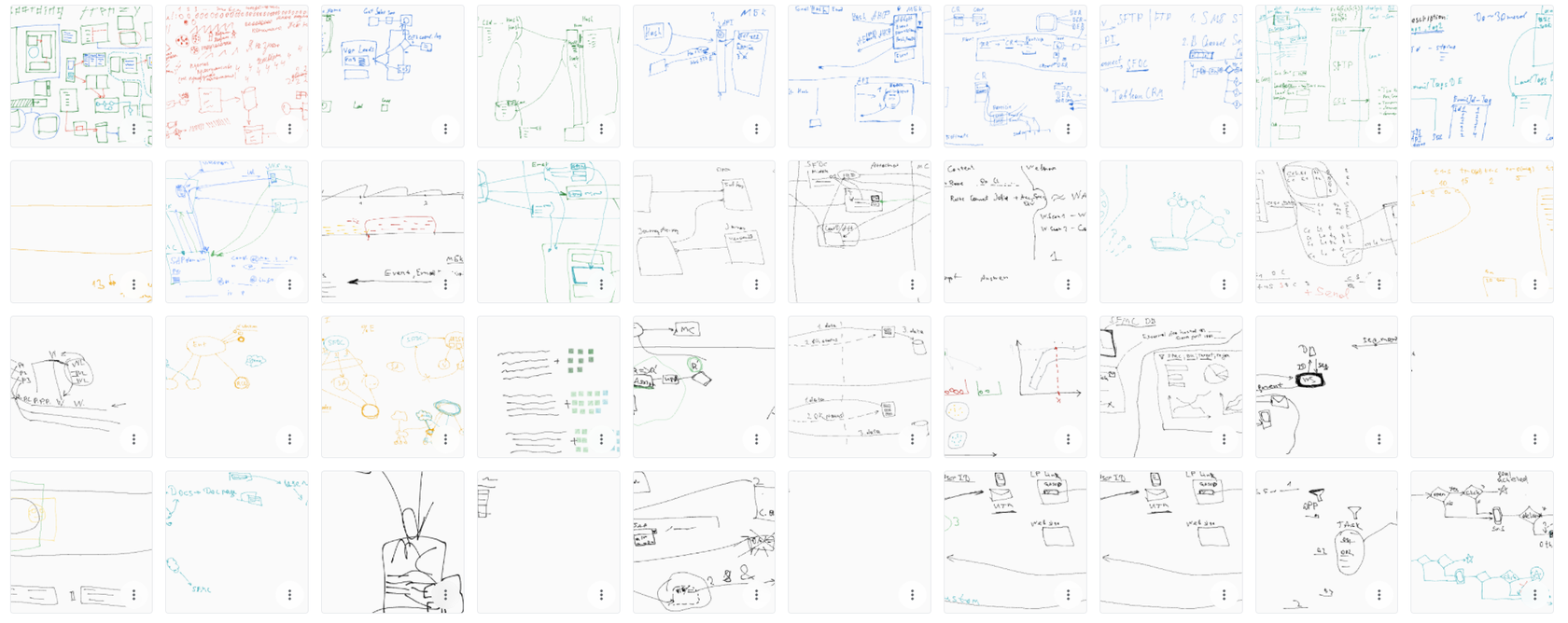
No matter how imperfect the drawing may be, if it has meaning, you, your clients, and colleagues will refer to it again and again. Creations that people revisit time after time become objects of art. So, very soon, you might have your own gallery that could be considered for NFT sales.
Conclusion
Based on several years of experience with whiteboarding and the first few weeks of using a tablet for whiteboarding, I can say that meetings with whiteboarding are much more productive and enjoyable than those without.
But this article is not just about my childhood traumas, or even about how I bought a graphic tablet. And perhaps it’s not even about whiteboarding. Rather, it’s a story about how you can find the best tools for your work process, elevate them to a new level, and discover new horizons.
Yes, this article could ironically be titled “Millennial invents whiteboarding and writes about its successful success,” if this tool were used more often than almost never. I believe if more people organized their thoughts on a whiteboard, structured them, we would live in a different country, Beautiful Russia of the Future, for example.
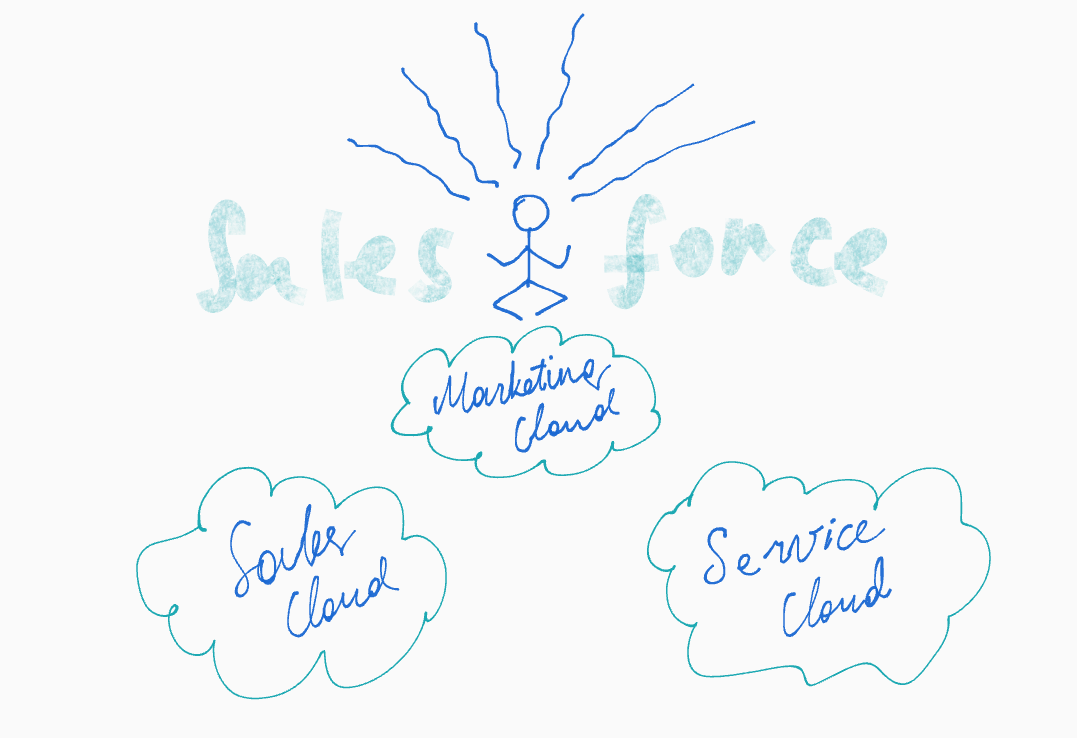
P.S. Ah, where to do the drawing? I found a simple Google Chrome canvas for myself at https://canvas.apps.chrome/. Sometimes I also use drawing in OneNote or the standard Windows Ink Whiteboard, but it’s not exactly cloud-based. And as you remember, I prefer to float in the clouds. 🙂
 Victor Nazarenko. Solutions Architect